



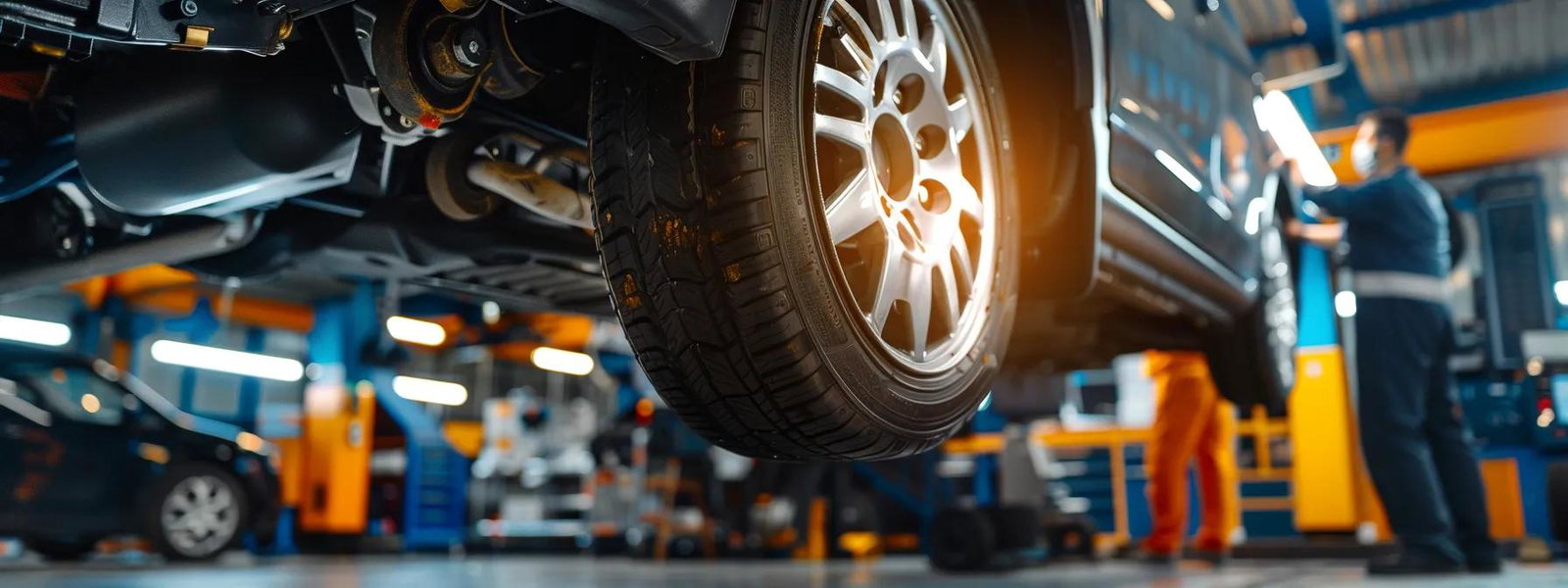
Key Common Braking System Issues in Older Vehicles

Common Braking System Issues: What to Watch for as Your Vehicle Ages
When your vehicle begins to age, its braking system often shows wear and tear. In this article, you’ll learn about common brake problems, warning signs, and what you can do about them. At George Automotive Services, we’ve seen issues from worn pads to leaking brake fluid, and we’re here to help you keep your car safe on the road.
What Are the Most Common Brake System Problems in Aging Vehicles? (Prioritized Overview of Frequent Braking Issues by Frequency and Impact)
Aging vehicles commonly experience problems such as worn brake pads, warped brake rotors, deteriorated brake fluid, faulty ABS components, and brake caliper failures. Each of these issues reduces stopping power and can compromise safety.
How Do Worn Brake Pads Affect Vehicle Safety?
Worn brake pads reduce friction between the pad and rotor, leading to longer stopping distances and poorer braking performance. As pads thin, the backing plate may contact the rotor, risking damage and accidents. Drivers might hear squealing or feel vibrations. Regular inspections and timely pad replacements are crucial for maintaining safety.
What Causes Brake Rotors to Warp or Become Damaged?
Brake rotors can warp from excessive heat, uneven pad wear, or frequent hard braking. Warped rotors cause pedal pulsation and reduced braking performance. Contaminants and poor maintenance can worsen damage, making rotor resurfacing or replacement necessary.
How Does Brake Fluid Deteriorate and What Are the Signs?
Brake fluid degrades over time due to moisture, heat, and contaminants. This deterioration can reduce hydraulic pressure, leading to a soft or spongy pedal feel. Signs include a drop in fluid level, discoloration, or bubbles. Regular fluid flushes help prevent corrosion and maintain braking efficiency.
What Are Typical ABS Problems in Older Vehicles?
Older ABS systems may suffer from faulty sensors, worn hydraulic units, or ECU malfunctions. These issues can trigger warning lights and cause unpredictable braking. If you notice inconsistent pedal feedback or an ABS light, have your system inspected promptly to prevent further complications.
How Do Brake Caliper Failures Impact Braking Performance?
A faulty caliper may cause one brake to work harder than others, resulting in uneven pad wear and decreased stopping power. Signs of caliper issues include dragging brakes or constant noise. Timely repair or replacement of calipers is essential for balanced braking.
What Are the Key Signs and Symptoms of Brake System Wear? (Focuses on User-Observable Indicators for Early Detection)

Early detection of brake system wear can prevent accidents and costly repairs. Look for sounds, vibrations, and changes in braking performance as clear signals.
Why Do Brakes Squeal or Make Grinding Noises?
Squealing typically alerts drivers that pads are nearing the end of their life, while grinding indicates that pads have worn completely, allowing the metal backing to contact the rotor. Both sounds require immediate attention to avoid further damage.
How Can Reduced Braking Power Signal Brake Issues?
If your brakes feel “soft” or it takes longer to stop, it may signal worn pads, low fluid levels, or other internal wear. Reduced stopping power compromises safety and should prompt a complete brake system evaluation.
What Does Vibration or Pulsation When Braking Indicate?
Vibration in the brake pedal can indicate warped or unevenly worn rotors. This irregular surface prevents uniform pad contact and causes oscillations. In some cases, imbalanced wheels or improper installation may also be responsible. Inspection and, if needed, resurfacing or replacement of rotors are recommended.
How to Recognize Uneven Brake Pad Wear?
If one brake pad appears thinner than the other or if there is uneven brake dust buildup, it suggests misalignment or caliper issues. Uneven wear affects overall brake performance and can further damage rotors. Regular visual checks help catch these issues early.
What Do Brake Warning Lights Mean on Your Dashboard?
The dashboard brake warning light can indicate low fluid levels, worn pads, or ABS malfunctions. In some vehicles, a flashing light might signal intermittent sensor or electrical issues. Any persistent warning light should prompt an immediate inspection.
What Causes Braking System Problems as Vehicles Age? (Examines Underlying Factors Leading to Brake Wear and Failure)
Several factors contribute to brake deterioration in aging vehicles, including wear and tear, environmental exposure, driving habits, and maintenance practices.
How Does Normal Wear and Tear Affect Brake Components?
With every brake cycle, friction naturally wears down components. Repeated heating and cooling weakens materials over time. Regular inspections help determine when components have reached the end of their service life.
What Role Do Driving Habits Play in Brake System Lifespan?
Aggressive driving—such as frequent hard braking and sudden stops—accelerates wear on pads and rotors. In contrast, smoother driving and using engine braking can extend component life. Your driving style thus directly impacts maintenance frequency.
How Do Environmental Factors Contribute to Brake Damage?
Exposure to moisture, road salt, dust, and debris can lead to rust and premature wear of brake components. Vehicles in harsh climates or polluted areas may experience faster degradation. Preventive cleaning and corrosion treatments are important to combat these effects.
Why Is Brake Fluid Maintenance Critical Over Time?
Brake fluid absorbs moisture and degrades when exposed to high temperatures. This can lead to air bubbles, reduced hydraulic pressure, and eventual brake fade. Regular fluid replacement is key to maintaining proper pressure and preventing internal corrosion.
How Do Vehicle-Specific Factors Influence Brake Issues?
Different vehicles have distinct brake system designs and materials, meaning wear rates and failure modes vary. High-performance models may use specialized components that last longer but require expert care, while economy models might wear out faster. Familiarity with your vehicle’s design helps in planning maintenance intervals.
How Can You Prevent Common Brake System Issues With Proper Maintenance? (Focuses on Actionable Preventative Care to Extend Brake Life)

Prevention is the best strategy to keep brakes performing well. Routine inspections, timely fluid flushes, and smart driving habits can significantly reduce wear.
What Should a Comprehensive Brake Inspection Include?
A thorough brake inspection should evaluate the condition of pads, rotors, calipers, brake fluid, and ABS components. Technicians at George Automotive Services use advanced diagnostic tools to ensure all parts are functioning properly, addressing minor issues before they become major problems.
How Often Should Brake Pads and Rotors Be Replaced?
Brake pads should generally be inspected every 12,000 to 15,000 miles. If pad thickness falls below the minimum recommended level, replacement is necessary. Rotors often last longer but must be resurfaced or replaced once significant wear or warping is detected.
When and Why Should You Flush Brake Fluid?
Most manufacturers recommend flushing brake fluid every two years to remove moisture and contaminants. Regular testing during maintenance can help determine if a flush is needed sooner. This practice protects internal components and maintains consistent hydraulic pressure.
How Can Regular ABS System Checks Prevent Failures?
Routine checks of the ABS system can catch sensor issues and wiring faults early. Since ABS plays a critical role in emergency braking, addressing irregular braking behavior or warning lights promptly helps ensure the system remains reliable.
What Are Best Practices to Extend Brake Caliper Life?
Keeping brake calipers clean and lubricated helps prevent sticking and leaks. Regularly checking for debris buildup and replacing seals at the first sign of wear can maintain balanced braking across all wheels.
What Are the Recommended Repair Options for Aging Brake Systems? (Outlines Repair Solutions and When to Seek Professional Help)
When signs of severe wear or failure appear, professional repair becomes necessary. The right repair option depends on the specific component and its condition.
How Is Brake Pad Replacement Performed Safely?
Brake pad replacement starts with lifting the vehicle and removing the wheels. Technicians then remove the old pads, inspect the rotors, and install new pads with proper lubrication. A test run ensures even performance. Following manufacturer guidelines minimizes break-in time and ensures lasting safety.
When Is Brake Rotor Resurfacing or Replacement Necessary?
Resurfacing is viable when rotors show minor scoring or warping while remaining within safe thickness limits. If rotors are deeply worn or below specification, replacement is required. Regular monitoring during pad changes helps decide the best course of action.
How Are Brake Fluid Leaks Diagnosed and Fixed?
Technicians inspect the master cylinder, brake lines, calipers, and wheel cylinders for leaks using pressure tests and dye applications. Once a leak is located, damaged hoses, seals, or calipers are replaced. Early repair of leaks helps maintain hydraulic pressure and prevent further damage.
What Does ABS System Repair Involve?
ABS repairs begin with diagnosing sensor, wiring, or module issues. Once identified, components are repaired or replaced, which may include cleaning and recalibrating sensors. Regular diagnostics ensure the ABS system remains fully operational during emergencies.
How Are Faulty Brake Calipers Repaired or Replaced?
Faulty calipers might be rebuilt by replacing seals and reconditioning pistons, or they might be completely replaced if severely damaged. Ensuring all calipers work uniformly is essential for safe, balanced braking performance.
How Do Vehicle Brands and Models Affect Brake System Issues? (Addresses Vehicle-Specific Brake Problems and Considerations)

Distinct brake system designs mean that issues can vary by brand and model. Understanding these differences helps tailor maintenance and repairs.
What Brake Issues Are Common in Ford, Honda, and Toyota Vehicles?
Ford vehicles often experience issues like caliper sticking and rotor warping in urban conditions. Honda models may see faster pad wear and minor ABS sensor issues, while Toyota vehicles, though robust, can suffer from brake fluid contamination if not maintained. Each brand requires attention to its distinct design nuances.
How Do Brake Component Lifespans Vary by Vehicle Model?
Brake components’ lifespans depend on vehicle weight, usage, and component quality. Luxury models may have longer-lasting, performance-tuned components while economy vehicles might wear out faster under aggressive driving conditions. Awareness of these differences aids in scheduling timely inspections.
Are There Special Brake Maintenance Tips for Popular Vehicle Models?
Many popular models have customized maintenance schedules recommended by manufacturers. For example, high-performance vehicles may need more frequent rotor checks because of higher heat loads, while hybrids might require periodic checks of regenerative braking components. Always refer to your owner’s manual or consult professionals for tailored advice.
How Can You Find Reliable Brake Service for Your Vehicle Brand?
Researching certified service centers, reading customer reviews, and confirming technician expertise with your specific make and model are key steps. George Automotive Services prides itself on ongoing training to meet OEM standards for various brands.
What Are the Latest Advances in Brake System Technology to Know About? (Introduces Modern Braking Systems and Their Impact on Aging Vehicles)
Modern brake systems offer enhanced safety, performance, and durability through technological advances that can also benefit older vehicles with possible retrofits.
How Does the Anti-Lock Braking System (ABS) Improve Safety?
ABS prevents wheel lockup during hard braking by continuously adjusting hydraulic pressure at each wheel. This helps maintain steering control and reduces stopping distances. Newer ABS modules integrate with stability controls, offering even greater safety benefits.
What Are Common ABS Warning Signs and How Are They Diagnosed?
Common signs include an illuminated ABS light, pedal pulsation, and increased stopping distance. Diagnosing these issues involves scanning for trouble codes and testing individual sensors and wiring to pinpoint the exact cause.
How Do New Brake Materials and Designs Affect Durability?
Recent innovations, such as ceramic composite pads and advanced rotor alloys, have improved heat dissipation and resistance to wear. Cross-drilled or slotted rotor designs help reduce heat buildup and maintain performance over longer intervals between services.
What Maintenance Is Needed for Advanced Brake Systems?
Advanced systems may include regenerative or hybrid braking components along with traditional parts. They require regular inspections, calibration, and occasionally software updates to ensure optimal performance. Following manufacturer guidelines for these technologies is vital.
Frequently Asked Questions
Q: How can I tell if my quality brake pads need replacement?
A: Increased stopping distances, unusual squealing or grinding sounds, or visible thinning of the pad material are clear signs that replacement is needed.
Q: What causes the brake warning light to remain on my dashboard?
A: Low brake fluid, worn pads, or ABS issues can trigger the warning light. Multiple diagnostic tests might be necessary to isolate the problem.
Q: Can regular brake fluid flushes really make a difference?
A: Yes, flushing the brake fluid removes moisture and contaminants, helping to maintain consistent hydraulic pressure and prevent corrosion.
Q: Is rotor warping always noticeable through vibration?
A: Most often it is, though early warping may only cause subtle noise changes. Any vibration during braking should be inspected.
Q: How does aggressive driving contribute to faster brake wear?
A: Hard braking and rapid acceleration generate excess heat and friction, which accelerate the wear of pads, rotors, and other components.
Q: What maintenance can I do on my own, and what should I leave to professionals?
A: You can perform visual inspections and monitor fluid levels at home. However, diagnosing and repairing caliper failures, ABS issues, or resurfacing rotors should be handled by professionals.
Final Thoughts
Regular maintenance and timely repairs are essential to keep your brakes performing reliably as your vehicle ages. Proactive inspection of unusual noises, vibrations, or fluid changes can extend the life of your brake system and protect your safety. At George Automotive Services, we stress the importance of routine inspections and prompt repairs to ensure your braking system remains in excellent condition. If you notice any signs of brake wear, contact a professional repair shop immediately.
Summary Table: Brake System Issues and Maintenance
Before scheduling your next service, refer to this summary table:
| Issue | Key Symptom | Recommended Action | Benefit |
|---|---|---|---|
| Worn Brake Pads | Squealing noise, reduced stopping power | Replace brake pads promptly | Restored friction and safety |
| Warped Rotors | Pedal pulsation and vibration | Resurface or replace rotors | Even braking performance |
| Deteriorated Brake Fluid | Soft pedal, discoloration | Flush and replace brake fluid | Consistent hydraulic performance |
| Faulty ABS | ABS warning light, irregular braking | Scan and repair ABS sensor wiring | Improved emergency braking |
| Brake Caliper Failures | Uneven pad wear, drag on brakes | Repair or replace calipers | Balanced braking |
| Environmental Damage | Rust and corrosion | Regular cleaning and inspections | Extended component lifespan |
Before heading to the service center, consult this table to understand potential brake issues and the necessary maintenance tasks to avoid expensive repairs.
By understanding common brake system issues in aging vehicles, you can take preemptive measures to ensure safety and performance. Regular inspections, timely fluid changes, and attention to warning signs help maintain your vehicle’s reliability on the road. Whether you drive a Ford, Honda, Toyota, or another model, effective brake maintenance is key to safe driving. Trusting professionals like those at George Automotive Services ensures any problem – minor or severe – is addressed swiftly.
Taking a proactive approach can mean the difference between dependable stopping power and unexpected brake failure. Every brake component, from pads and rotors to calipers and fluid, plays a critical role in your overall performance. With advancements in brake material technology and diagnostics, maintaining your braking system has never been more efficient. Prioritize regular upkeep and consult experts at the first sign of issues—your safety depends on it.
In conclusion, staying informed about the latest trends and maintenance methods can help you avoid costly repairs and dangerous driving situations. The combination of regular upkeep and modern brake technology provides a solid strategy for extending your brakes’ lifespan while maintaining optimal safety standards. Make brake maintenance a priority, and always seek expert help when needed.